Organizational Effectiveness
In organizational effectiveness work, we strengthen how the organization functions.
Explore Organizational Effectiveness
Our approach
The leaders we work with are building meaningful things in conditions they cannot fully control. Navigational Leadership is our philosophy for that work: purposeful movement through uncertainty, supported by the capabilities, culture, and infrastructure to keep learning and performing together.
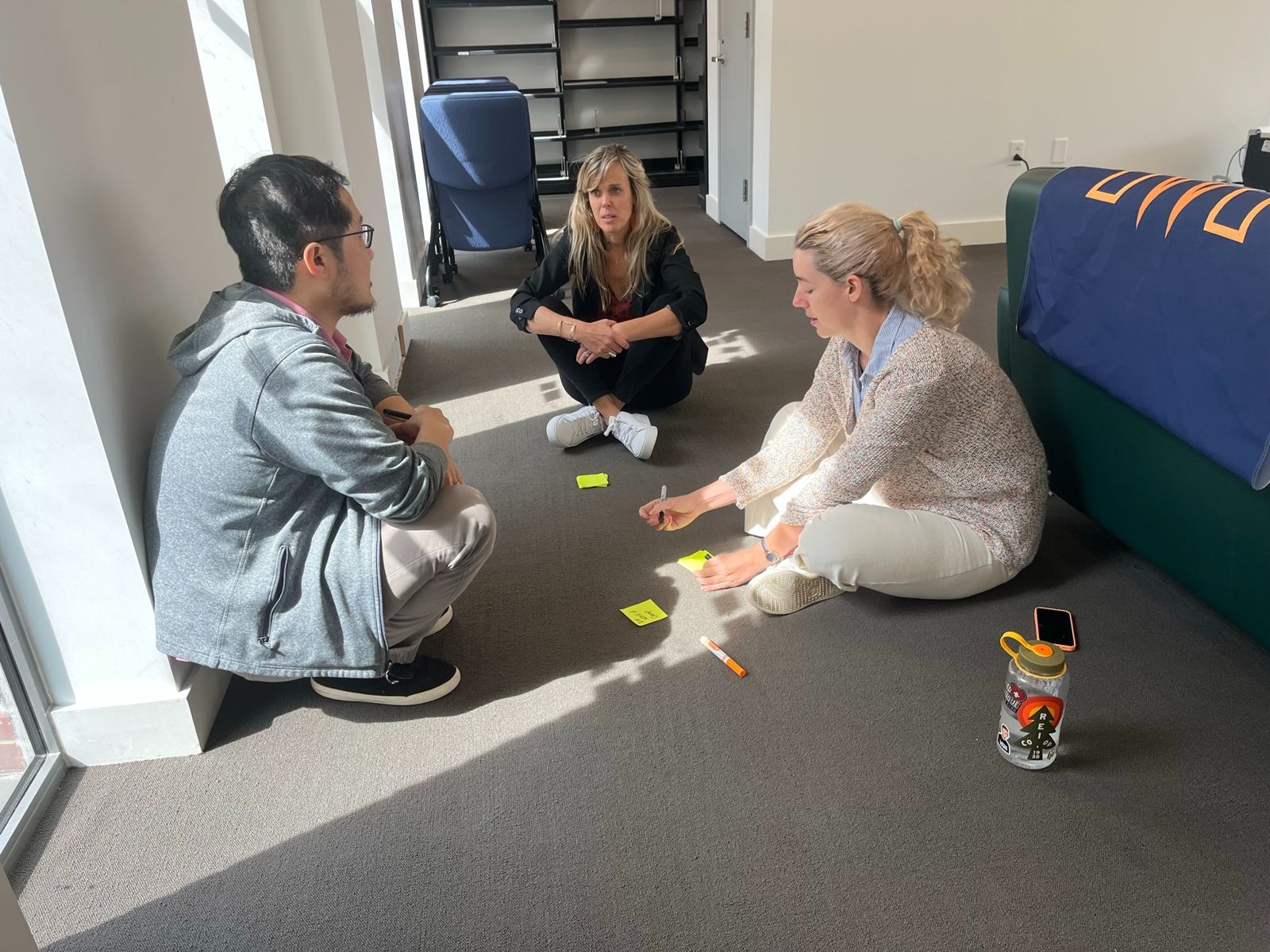
Change is constant. Progress is nonlinear. The work will involve mess and hard choices. Accepting those conditions helps a team make clearer decisions about what it can build and influence.
We help you create direction, act on what you know, test what you don’t, and adjust together.
Read Navigational LeadershipCapabilities help people lead and manage. Culture shapes how they work together. Infrastructure makes effective practices repeatable. Each reinforces the others.
Three ways to engage
What we strengthen together
The mindsets and skills people bring to the work.
How people work together, calibrated across four domains.
The repeatable arrangements that support effective work.
Each reinforces the others. The Four Domains also describe competencies people develop.
Foundation
Purposeful movement through uncertainty.
Vision, Process, Relationships, and Problem Solving work together. A team needs enough direction to stay focused, enough structure for work to flow, relationships that support honesty and accountability, and the ability to move toward difficult problems.
We help you see where the balance is off and make practical adjustments. The aim is an organization that can keep doing that for itself.
Explore the Four DomainsPeople are inspired and focused, with clarity about why the work matters.
Enough structure for flow and productivity, with manageable coordination.
People can speak openly, care for one another, and maintain standards.
The team is calm, curious, and decisive when difficult issues arise.
Take trust. Is the concern about someone’s ability to do the work, whether they follow through, or the intentions behind their actions? Looking at competence, reliability, and motive, the building blocks of trust as Trium defines them, helps a team have a more useful conversation about what needs to change.
How to build trust on a teamA missed commitment might call for clearer delegation, a candid conversation, and a better review rhythm. Developing the skill, strengthening the relationship, and improving the system can happen together.
We make room for the truth: the assumption worth questioning, the tension that deserves attention, the decision that cannot keep waiting. We bring care and candor to those moments, then help turn the conversation into useful action.
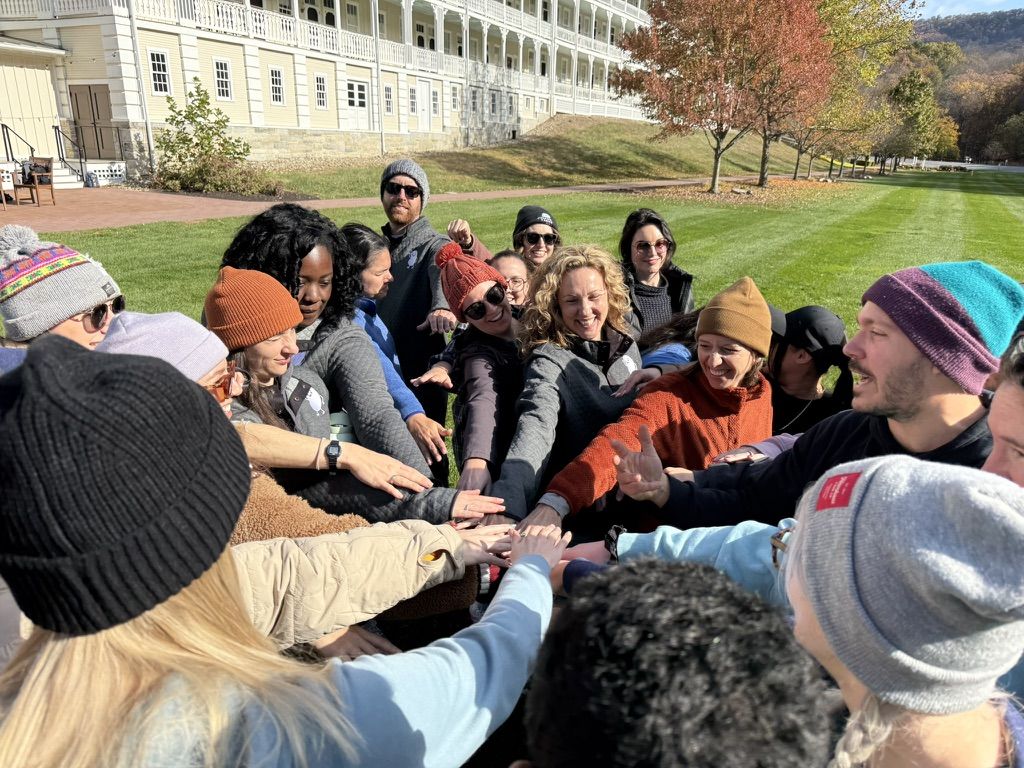
What working together looks like
Every engagement is shaped to the work, so this is a common pattern rather than a fixed sequence. A focused project may move through it in a few months. A multiyear partnership keeps cycling through the middle.
Start with a conversationOrganizational Effectiveness
In organizational effectiveness work, we strengthen how the organization functions.
Explore Organizational EffectivenessStrategic Planning
In strategic planning, we connect direction with the capacity to act and learn.
Explore Strategic PlanningSpecial Projects
In special projects, we apply that perspective while helping carry an important initiative.
Explore Special ProjectsWe build with you so your team can carry more of the work itself.
Tell us what’s changing, where the work is getting stuck, and what you want to make possible.