Organizational Effectiveness

Build the organization to carry your ambitions.

Growth and change ask more of your people and your ways of working. Our organizational effectiveness consulting strengthens capabilities, culture, and infrastructure together—so your team can lead, deliver, and adapt with greater confidence.

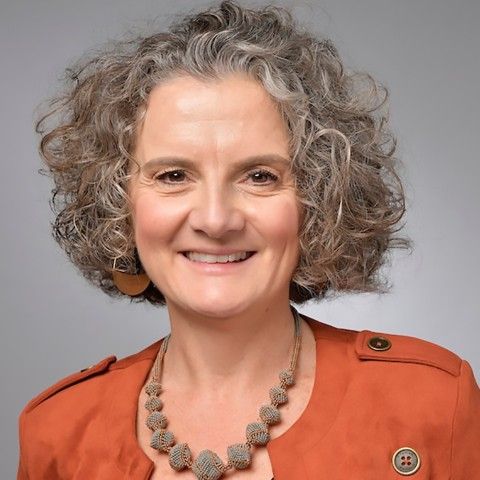
“It’s been a time of heightened uncertainty in our field and Outside Angle has been instrumental in helping us succeed through it. They help build the systems we rely on and strengthen our culture along the way.”

Portrait of Carey HarrisCarey HarrisLiteracy Pittsburgh

When the work has outgrown the way you work.

People care. The mission matters. Yet decisions keep landing on the same desks, priorities compete, and too much depends on individual effort. You need ways of working that make better use of the people and resources you already have.

  • Managers need practical skills and the confidence to use them.
  • Ownership, handoffs, or decision authority are unclear.
  • Difficult conversations are delayed, or trust is wearing thin.
  • Meetings create activity without enough clarity or progress.
  • The organization needs to evolve without adding unnecessary complexity.
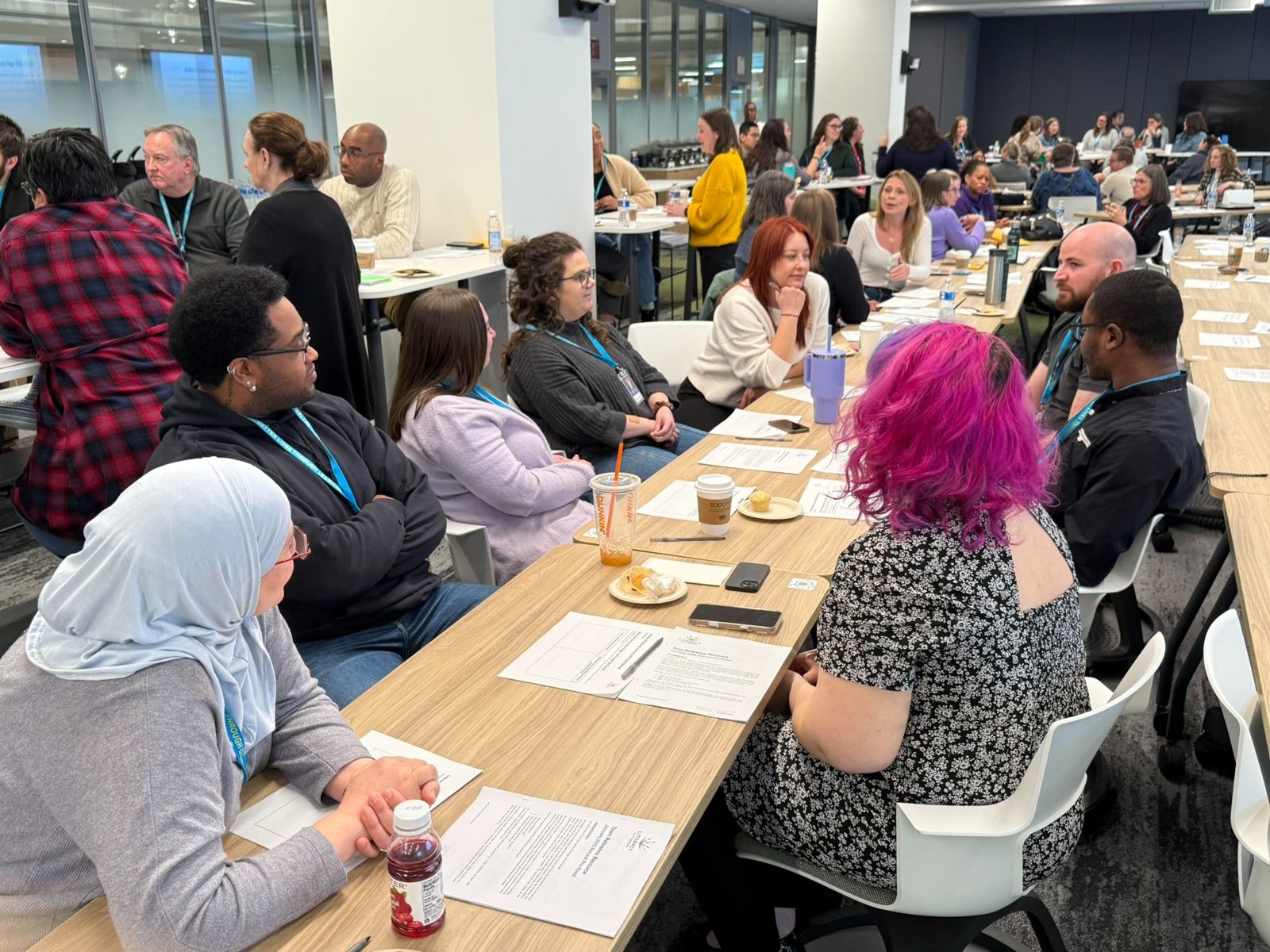
A room of people in active discussion around long worktables

Capabilities. Culture. Infrastructure.

Capabilities

Help people lead the work.

Build the mindsets, skills, and judgment people need in real situations: setting direction, delegating, aligning a team, having hard conversations, and working through problems. Development becomes part of the work your people are already responsible for.

Culture

Strengthen how people work together.

Help the team build shared direction, useful process, honest relationships, and constructive problem solving. We work with what people actually experience—especially when priorities conflict, something goes wrong, or a difficult choice needs to be made.

Infrastructure

Make effective work repeatable.

Connect roles, decisions, meetings, feedback, and internal communication through useful cycles and systems. Build enough structure for work to flow, then keep improving it as the organization learns.

We call many of these containers: right-sized places for each kind of work, from a meeting cycle to a decision forum to a shared template, so the mess of change has somewhere to go. Many teams also codify how they work together in a culture guide.

The right balance changes with the situation.

A team can have too little structure—or so much that it slows the work. It can need clearer direction—or time to absorb and act on the priorities it already has. We help you see what needs attention across Vision, Process, Relationships, and Problem Solving, then make useful adjustments together.

See how the Four Domains work
Calibrating the Four DomainsIllustrative example
VisionDirection, meaning, priorities
Unclear why the work mattersMore priorities than people can absorb
ProcessStructure for work to flow
Chaotic, everything improvisedBureaucratic, structure slows the work
RelationshipsHonest, accountable working ties
Guarded, trust wearing thinComfortable, standards go unspoken
Problem SolvingMoving toward hard issues
Issues linger unaddressedConstant firefighting

Working balance. More is not always better; the aim is what suits the moment.

Build it in the work, with the people who will carry it.

We get to know your organization, identify the changes that matter most, and work alongside your team to put them into practice. That can include developing managers, redesigning a meeting cycle, clarifying decision rights, working through conflict, or connecting planning with performance and feedback.

The goal is greater ownership inside your organization. As your team becomes more capable, our role can evolve.

An operating cycleIllustrative example
  1. SetChoose prioritiesLeadership team agrees on a few priorities and who owns each.
  2. ActConnect to actionOwners translate priorities into team plans and one-on-ones.
  3. ReviewReview progressA standing review looks at evidence, blockers, and decisions due.
  4. LearnLearn and adjustFeedback and reflection reshape the next set of priorities.

Then the cycle repeats. Cadence is designed for your context.

What stronger looks like in practice.

  • Clearer ownership and decisions.
  • Managers better equipped for the conversations and responsibilities they carry.
  • Useful rhythms for setting priorities, reviewing progress, and adjusting.
  • Working practices the team can sustain and improve.

HCM Strategists

Building the next version of the firm.

Over three years, Outside Angle partnered with HCM Strategists as the firm moved from HCM 2.0 to 3.0. The work connected leadership development, ways of working, and shared ownership. HCM is now moving toward 4.0 with greater independence and more selective support from Outside Angle.

“Outside Angle gets our team and understands our vision. They brought the process skills and expertise we needed to thrive through change.”

Kristin Hultquist, HCM Strategists
Read the HCM Strategists story

Literacy Pittsburgh

Strengthening the whole operating system.

A multiyear partnership with Literacy Pittsburgh has connected leadership and manager development, culture, and the infrastructure of everyday work. Together, these layers help the organization carry its mission through change.

Read the Literacy Pittsburgh story

Joyful Reading Co.

A culture that can grow—and a team that can carry it.

From Zoobean to Joyful Reading Co., Outside Angle helped build and evolve an operating system through growth and combination. The organization is now taking greater ownership of its systems, with Outside Angle shifting toward guidance and targeted support.

“Bias towards action, focus on culture, and relationship building with individual team members continue to differentiate Outside Angle.”

Felix Brandon Lloyd, CEO, Joyful Reading Co.
Read the Joyful Reading Co. story

Questions leaders ask.

Is this mainly retreats and training?

Retreats and learning sessions can be useful. We connect them to the decisions, management practices, and systems your team uses every day so the work carries forward.

What do you mean by an organizational operating system?

The connected way your organization works: how people lead, set priorities, make decisions, communicate, and learn. Capabilities, culture, and infrastructure all contribute. Technology can support it.

Can we start with one issue?

Yes. A focused need can be a useful place to begin. We agree on the scope and connect improvements to the broader organization where that helps.

How will we know the work is helping?

We agree on what improvement should look like and review it with you. Depending on the work, that may include team feedback, changes in management practice, clearer decisions and ownership, or evidence that new working rhythms are being used.

Where does your organization need to work better?

We’ll help you identify what to strengthen and where to begin.